
Fair balance, both ways.
As compliant copy gets cheaper to produce, what pharma is short on is the idea that earns attention from patients and HCPs, and still clears MLR (and we all know how much of a pain that is, pun intended). I came up in big-idea advertising and learned pharma taking Pfizer work through medical review, so I push the idea as far as it'll go and build the claims, annotations, references, fair balance and ISI into the first draft, where review rounds sharpen it instead of rescuing it.
Brands: Pfizer · Lilly · Ambros Therapeutics · Prevnar · Metamucil · Pepto-Bismol · Vicks · Emergen-C
What I write: Pre-launch to launch · Branded and unbranded · DSE · HCP · DTC · Patient · CRM · MOA and MOD stories · Rare disease · OTC · Amazon A+
Review: MLR/PRC · Pfizer pre-medical review and Review Committee
Jump to: CRPS-1 · Raylumis · Voice & messaging · Tactics · OTC
Pain that doesn’t add up.
Pre-launch HCP disease-state education (DSE) concepts for CRPS-1, a rare pain condition that hides inside normal recovery. The brief's single message was clear: when pain is out of proportion, think CRPS-1. One route makes that disproportion impossible to miss, and the other shows how easily the early signs slip past.
Art Supervisor & partner: Jorge Bringuier.
HCP recognition card. An exam-room card that extends the campaign, built on WARM, the recognition aid from the brief, with the Budapest criteria kept as the diagnostic standard and every clinical claim referenced.
Ads in a regulated space shouldn’t be bland.
It's Never Just a Task. Raylumis was set to be a first-in-class non-opioid injection for OA pain, and it would carry a Boxed Warning, so the launch had to teach patients why their pain is different before asking them for anything. OA lives in small tasks, from a shoelace and a jar to a flight of stairs, and that idea carries the story across unbranded DTC, HCP, DTC launch and CRM.
I was lead copy supervisor on the pre-launch of Raylumis (tanezumab), Pfizer and Lilly's NGF inhibitor for OA pain, and what you'll see here builds on that program, from key visuals to HCP mechanism of action (MOA) spread to a message house, CRM, an HCP site, and an annotated copy deck.
The original program was built for launch and taken through Pfizer's medical review, from unbranded DTC to the Now Approved site. Raylumis never reached the market: the FDA declined to approve tanezumab in 2021, and Pfizer and Lilly ended the program.
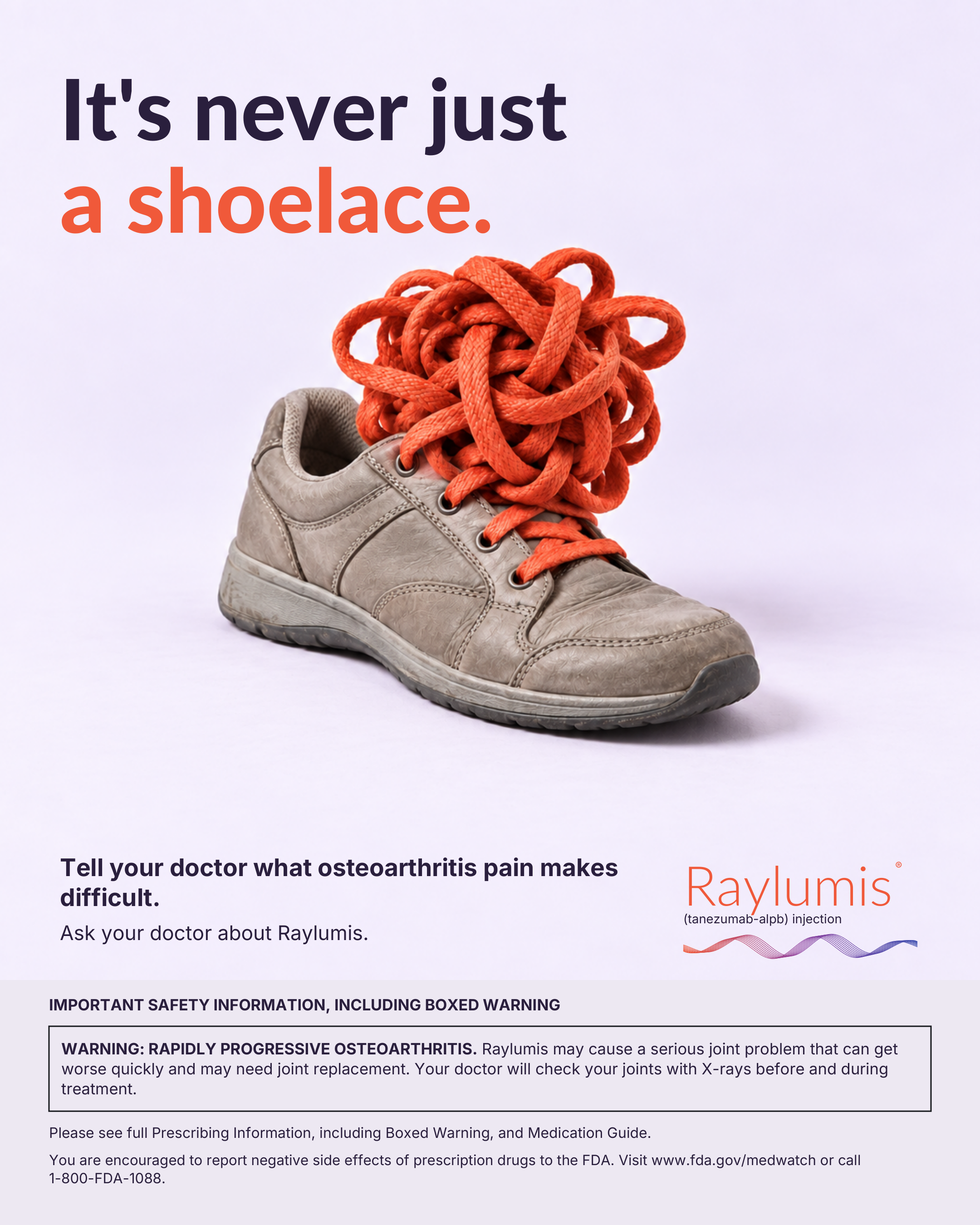
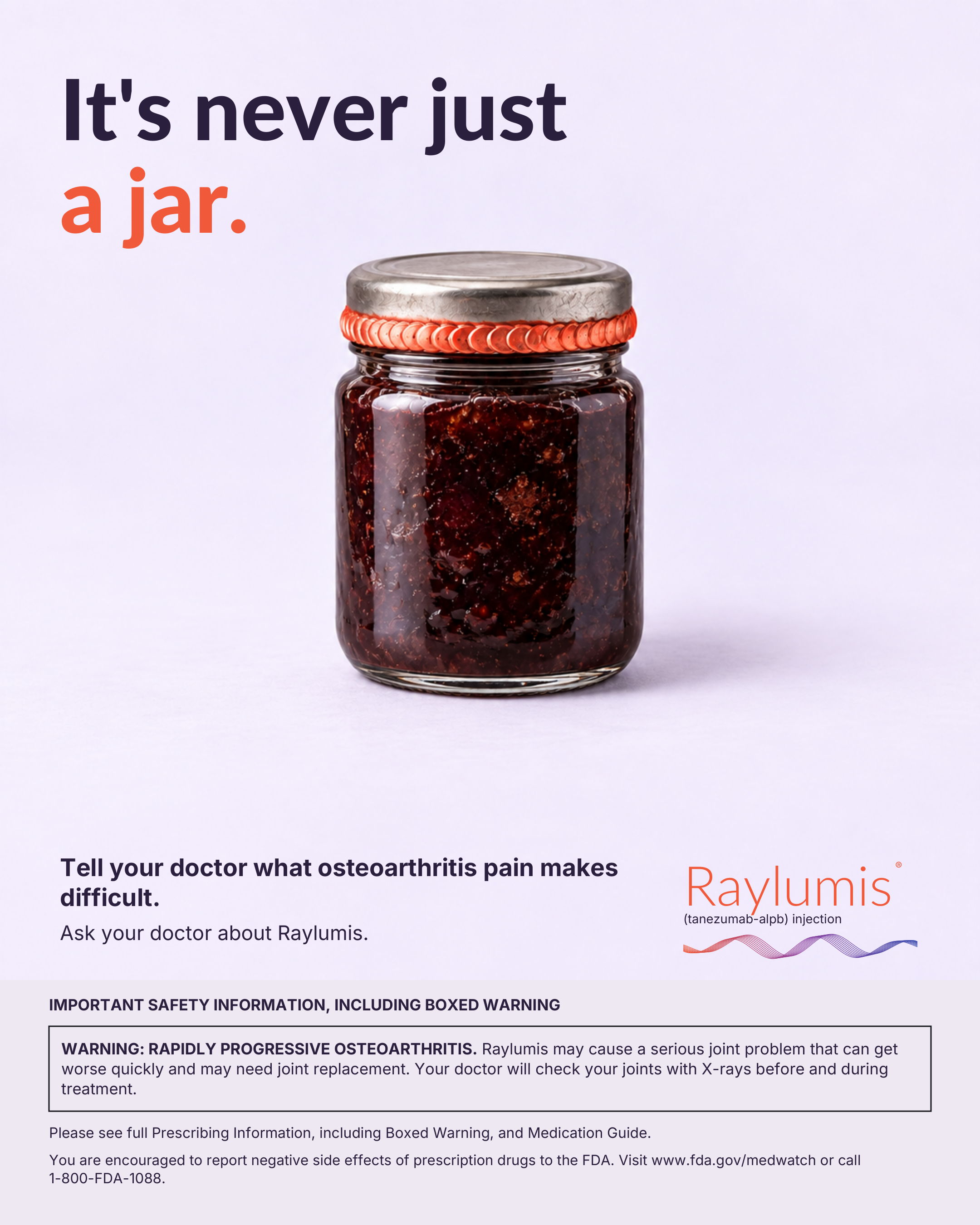
An NGF inhibitor for HCPs, with the mechanism made into a case against pain's accomplice.
Defining the Tone of Voice and messaging hierarchy.
A Raylumis message house and voice guide that keeps every stream on the same claims and tells the safety story straight.
Tactics, with the fair balance written in.
Three tactics I built out from the campaign in OA pain: an unbranded pre-launch HCP email, the branded launch email with the Boxed Warning and ISI, and a 728x90 banner that carries the ISI in-unit.
Every claim is annotated and referenced the way it’d go into MLR.
Mature brands still need a reason to get picked.
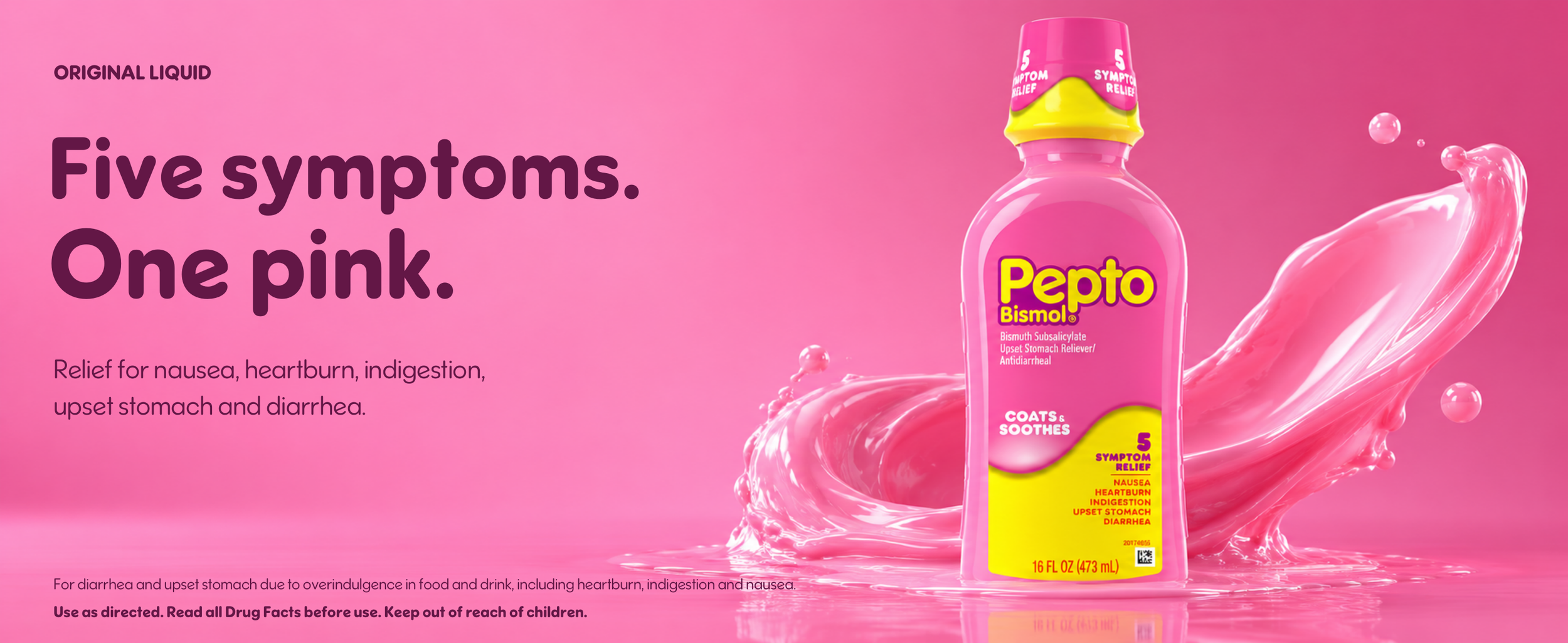
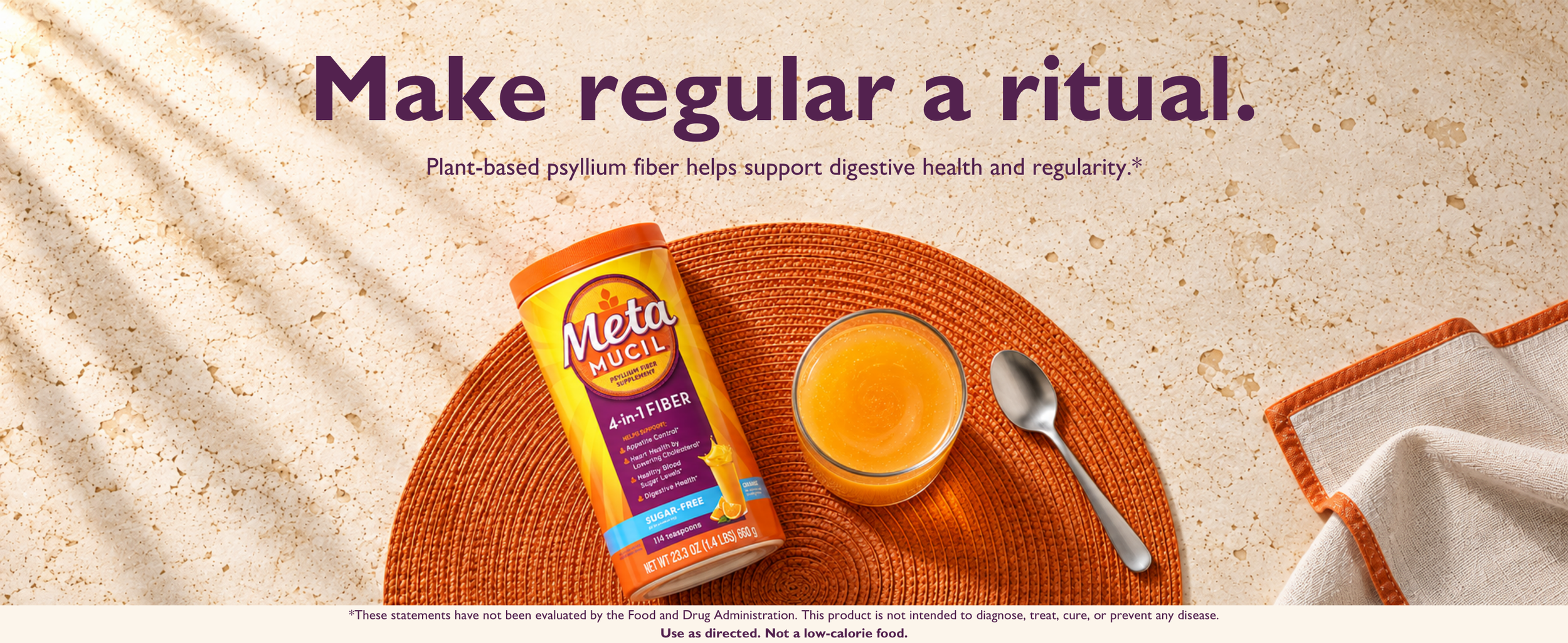
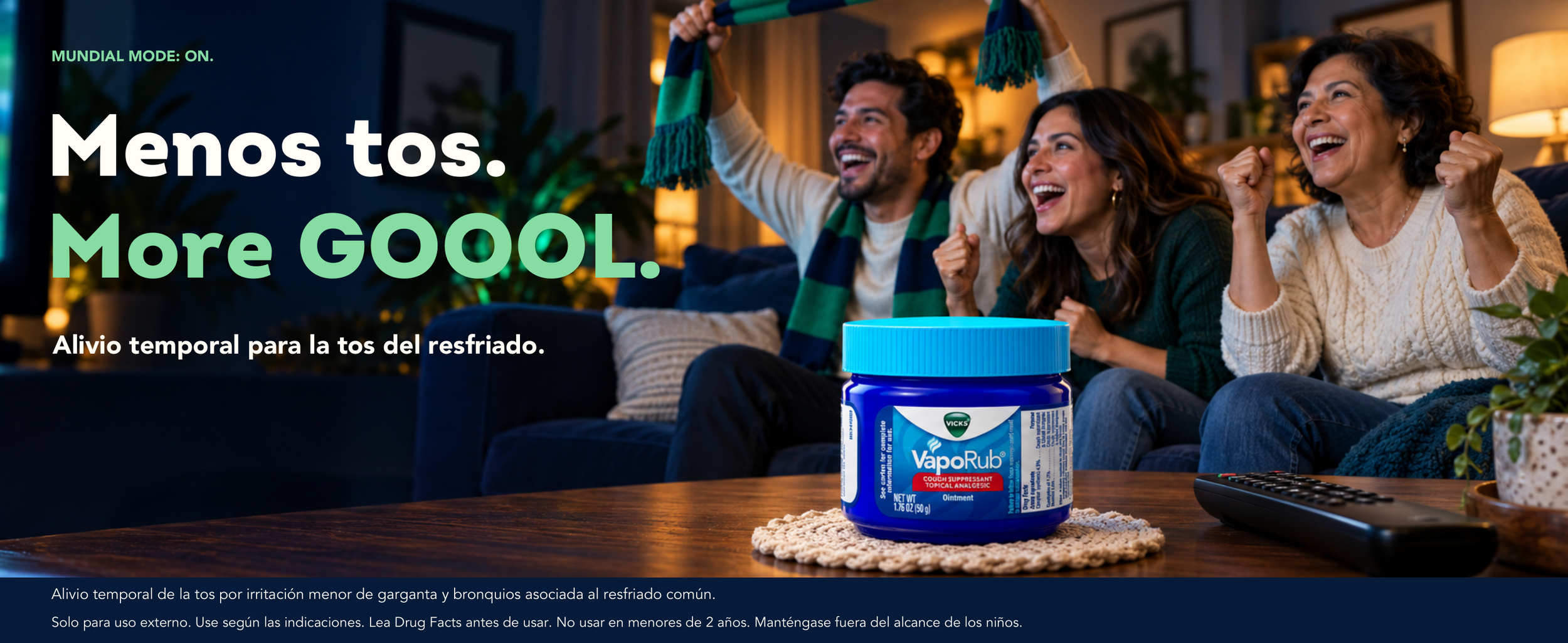
On the OTC side, there's work for Emergen-C, Metamucil, Pepto-Bismol and Vicks VapoRub, with ads, banners, Amazon A+ content and a consumer journey mapped as a board game.
A vitamin C drink mix stuck being the sick-day fix, repositioned as the two-minute reset for when life knocks your routine off course. Busy people won't stop for themselves, so the ads give them permission to let everything else wait two minutes.
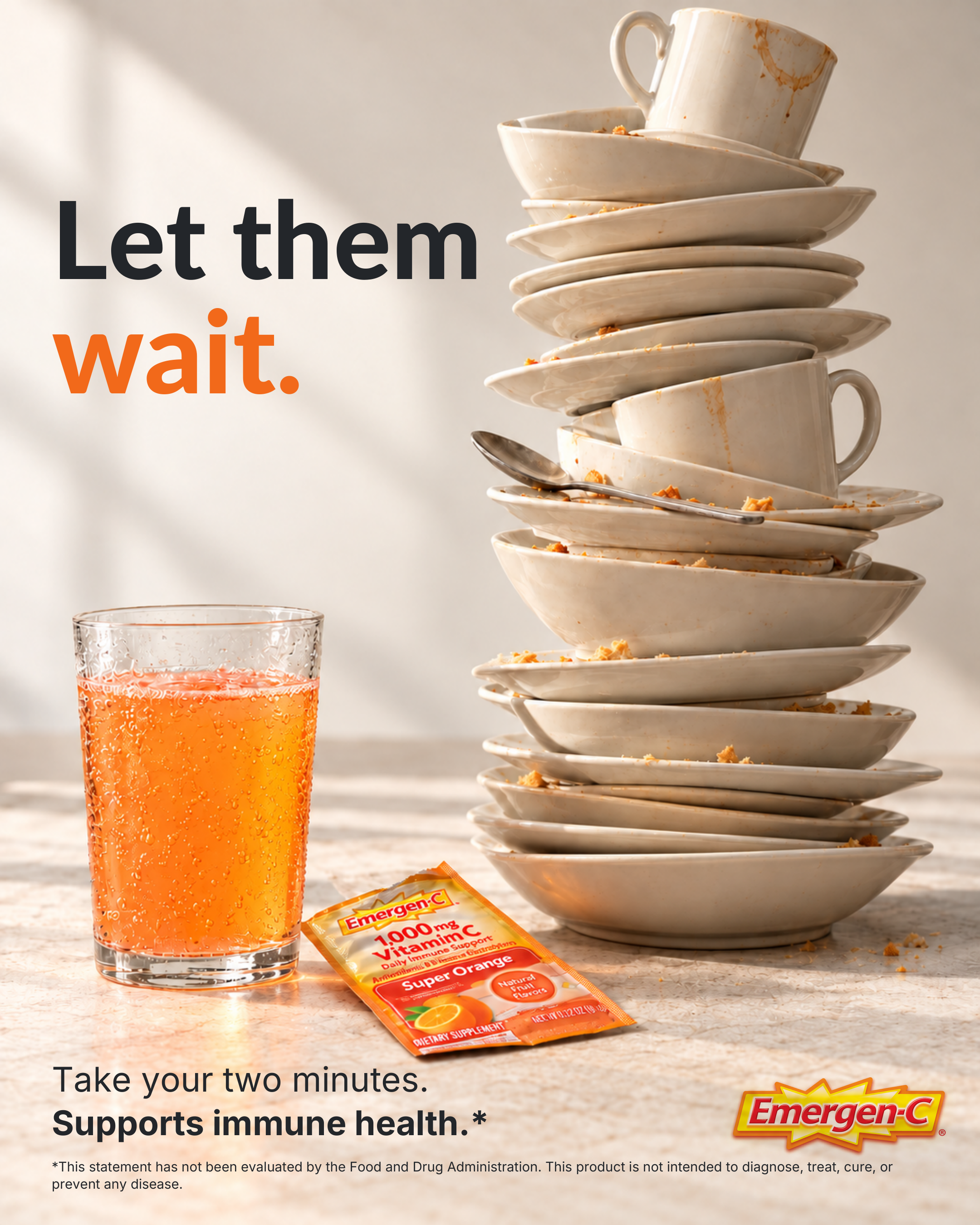
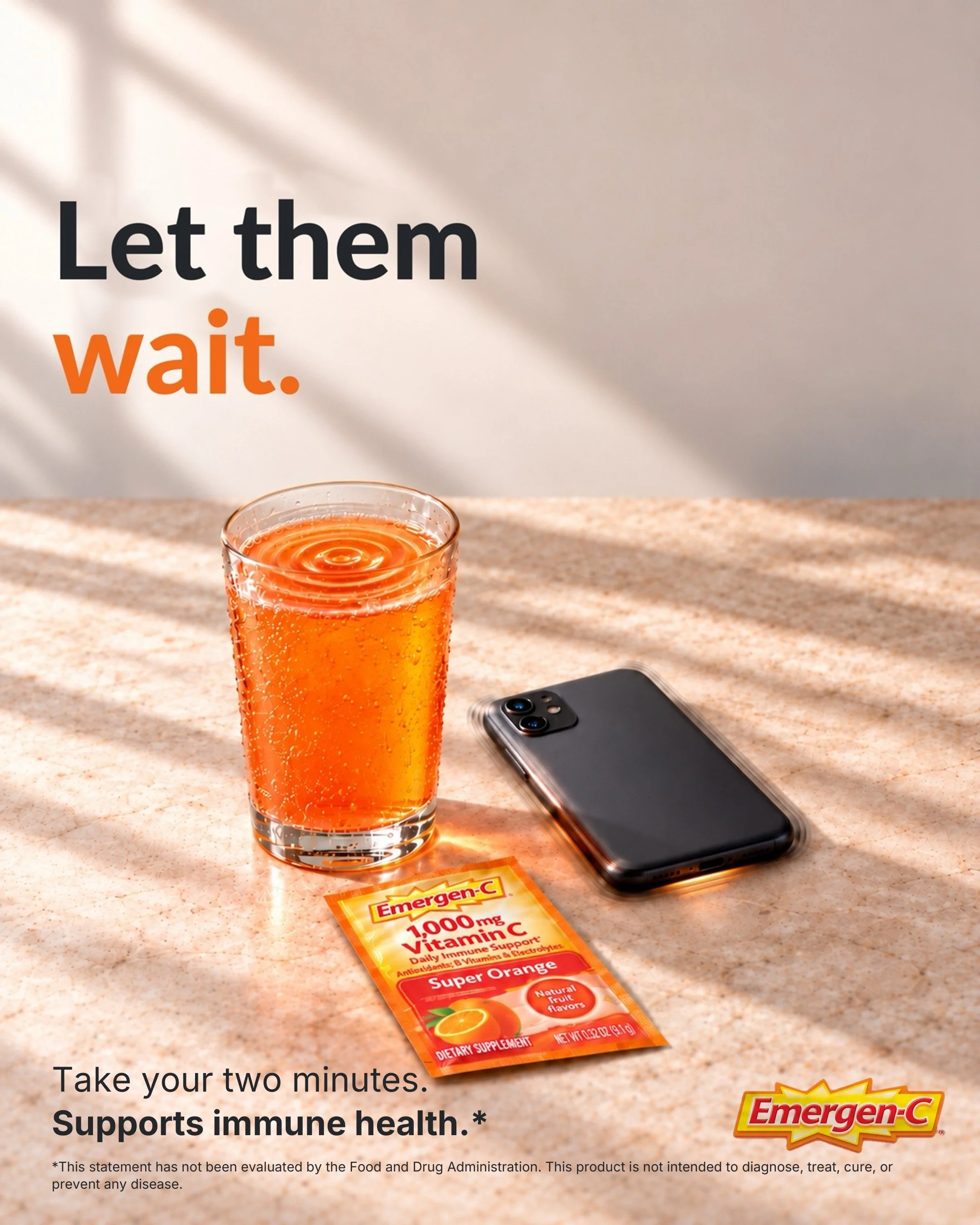
Banners here. Banners there. Banners everywhere.
These were also adapted into Amazon A+ and Premium A+ content.
Consumer Journeys made fun.
Emergen-C's wellness journey mapped as a board game, pinpointing the disruptions where the brand can step in as the reset.